
The full rapprochement between Egypt and Türkiye represents one of the most significant geopolitical realignments in the Mediterranean over the past decade. It does not signal genuine reconciliation. Instead, it reflects both countries’ adaptation to an increasingly fragmented regional order. As U.S. engagement has declined and regional powers have assumed greater responsibility for shaping their own security environment, Cairo has reframed its rivalry with Ankara as a form of managed competition that reduces the costs of confrontation while preserving core strategic interests.
Egypt’s engagement with Türkiye should consequently be understood less as an isolated bilateral development than as part of Cairo’s broader regional strategy. By avoiding exclusive alignments, Egypt has adopted a policy of strategic hedging, preserving diplomatic flexibility through selective engagement with competing regional actors while diversifying its economic, diplomatic, and security partnerships. Within this framework, Cairo increasingly values partners capable of simultaneously shaping regional dynamics and influencing broader security architectures beyond the Middle East.
The normalisation of relations with Ankara is not the product of political reconciliation but one instrument through which Cairo seeks to expand its strategic autonomy and manage geopolitical risks. Türkiye is therefore not the primary object of analysis but a key variable in Egypt’s regional recalibration.
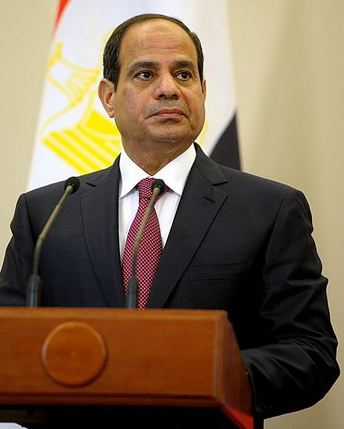

Why engagement with Türkiye serves Egypt’s regional strategy
The following sections examine how this strategy unfolds across the principal dimensions of Egyptian foreign policy – economic engagement, defence cooperation, and regional security – before assessing its implications in the main theatres of competition where Cairo and Ankara continue to pursue divergent interests.
Economic interdependence as a strategic anchor
In Cairo’s view, economic cooperation provides the principal rationale for rapprochement with Türkiye. Despite years of political tension, bilateral trade remained resilient, reaching approximately US$8.8 billion in 2024, with both governments targeting US$15 billion. Engagement with Turkish capital supports Egypt’s manufacturing sector, attracts foreign currency, and strengthens its position as an industrial and logistics hub linking Europe, Africa, and the Middle East. Beyond its immediate economic benefits, cooperation with Türkiye expands Cairo’s diplomatic room for manoeuvre by diversifying external partnerships and reducing the costs of political confrontation. Economic interdependence therefore complements strategic competition rather than replacing it.
Institutionalising dialogue without alignment
For the Egyptian leadership, restoring diplomatic relations has been less about reconciliation than about institutionalising dialogue with one of the region’s principal powers. The resumption of full diplomatic relations, the Erdoğan-al-Sisi meetings in 2024, and the establishment of the High-Level Strategic Cooperation Council have created stable channels for political, economic, and security consultations. These mechanisms are designed not to eliminate strategic disagreements but to reduce uncertainty, contain escalation, and make bilateral competition more predictable. More broadly, they reflect a regional trend towards institutionalised dialogue among rival powers despite persistent geopolitical differences.
Defence and security cooperation beyond alliances
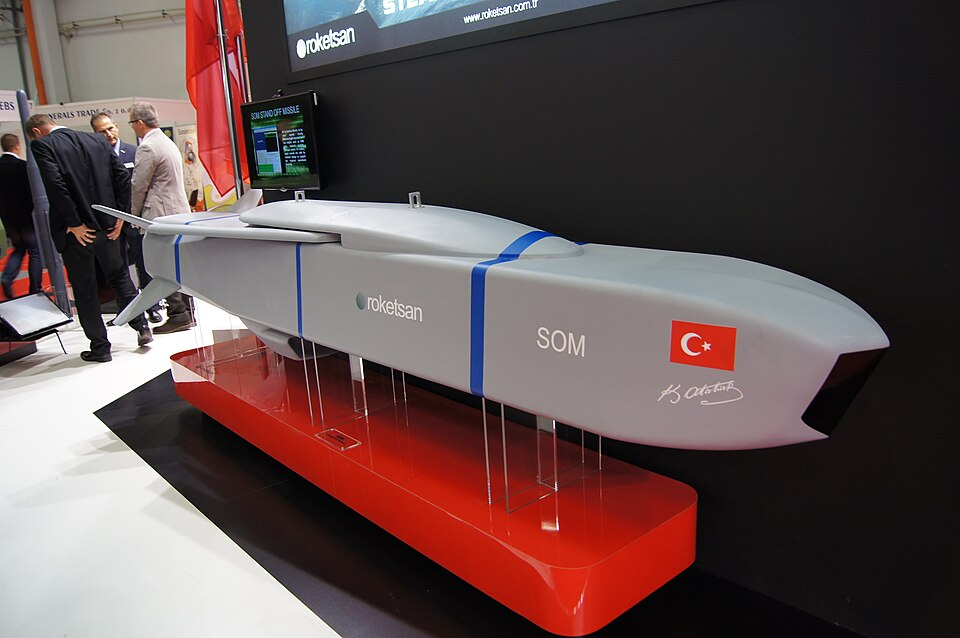
Defence and security cooperation provides the clearest indication of the new relationship. Joint military exercises resumed in 2025, while Egypt’s participation in the Anatolian Eagle exercise and the signing of a military cooperation framework in 2026 marked a further step in bilateral engagement. For Cairo, cooperation with Ankara expands procurement options, supports domestic defence production through technology transfer and co-production, and reinforces a long-standing policy of supplier diversification. Türkiye’s capabilities in unmanned systems, electronic warfare, military vehicles, and naval platforms complement Egypt’s defence-industrial ambitions without implying a broader strategic realignment.
From Cairo’s perspective, Türkiye increasingly combines its role as a regional middle power with renewed centrality within the Euro-Atlantic security architecture. The 2026 NATO Summit in Ankara further underscored this evolution by highlighting Türkiye’s expanding role in Allied defence planning, defence-industrial cooperation, and regional security. For Egypt, this development does not alter its long-standing preference for strategic autonomy or imply any shift towards alliance politics. Rather, it enhances the strategic value of maintaining structured defence engagement with Türkiye, whose growing ability to operate simultaneously across the Mediterranean, the Middle East, the Black Sea, and the Euro-Atlantic space broadens Cairo’s diplomatic and security options, in a manner that allows Egypt to remain fully committed to its long-standing policy of supplier diversification. Defence and security cooperation thus reflects Egypt’s broader preference for diversified security partnerships that maximise strategic flexibility while limiting external dependence.

Managing competition without strategic convergence
At the same time, economic interests, diplomatic engagement, and defence cooperation explain why Cairo has chosen to normalise relations with Ankara, but the region’s principal theatres of competition also reveal the limits of this approach. Egypt’s strategic differences with Türkiye have not disappeared; rather, they have been channelled into a more structured and manageable form of rivalry.
Libya: The clearest test of normalisation
From the Egyptian standpoint, Libya remains the principal test of whether engagement with Türkiye can coexist with Egypt’s core security interests. Stability in Cyrenaica, the security of the western border, and reliable institutions in eastern Libya remain non-negotiable priorities, while Türkiye’s military and political presence in the west continues to shape Cairo’s strategic calculations.
The rivalry that emerged after 2013 has not disappeared. Egypt continues to back actors in eastern Libya, whereas Türkiye maintains its partnership with the Tripoli authorities. What has changed is the management of this rivalry. Both governments now share an interest in preventing renewed military escalation and preserving the UN-sponsored political process, recognising that direct confrontation would impose high political and security costs.
From the Egyptian perspective, dialogue with Türkiye serves practical targets: discouraging unilateral moves by the Tripoli authorities, safeguarding Cairo’s interests in eastern Libya, and keeping maritime issues open for negotiation. Ankara’s gradual outreach to the Haftar family reinforces the need for sustained engagement, offering opportunities to reduce Libya’s political fragmentation while also extending Turkish influence into an area long regarded as central to Egypt’s security.
Libya, thus, compresses a broader regional trend: as the Middle East becomes increasingly fragmented, regional powers have shifted from seeking definitive settlements to managing enduring competition. Coexistence among rivals has consequently become more sustainable than comprehensive political agreements.
The Eastern Mediterranean: Détente without strategic realignment
Normalisation has not altered the foundations of Egypt’s Eastern Mediterranean policy. Cairo continues to regard its partnerships with Greece and Cyprus, together with the East Mediterranean Gas Forum, as essential pillars of maritime governance, energy cooperation, and regional stability. These partnerships remain central to Egypt’s strategy of consolidating its role as an energy hub and safeguarding a rules-based regional order founded on internationally recognised maritime boundaries.
Engagement with Türkiye, instead, expands Egypt’s diplomatic flexibility by reducing geopolitical polarisation while preserving existing partnerships. The resumption of dialogue has lowered the risks associated with maritime disputes, created channels for confidence-building, and reduced the likelihood that bilateral tensions could spill over into wider regional instability. At the same time, Cairo has shown no willingness to revise its legal position on maritime delimitation or to weaken its strategic cooperation with Greece and Cyprus.
Egypt’s approach reflects a pragmatic effort to balance deterrence with dialogue without implying any strategic realignment. By maintaining established alliances while reopening communication with Ankara, Cairo seeks to reduce regional tensions without sacrificing its long-standing strategic priorities. The Eastern Mediterranean, thus, illustrates how Egypt manages overlapping partnerships to preserve strategic autonomy while avoiding rigid bloc politics.
The Horn of Africa, the Red Sea, and Sudan
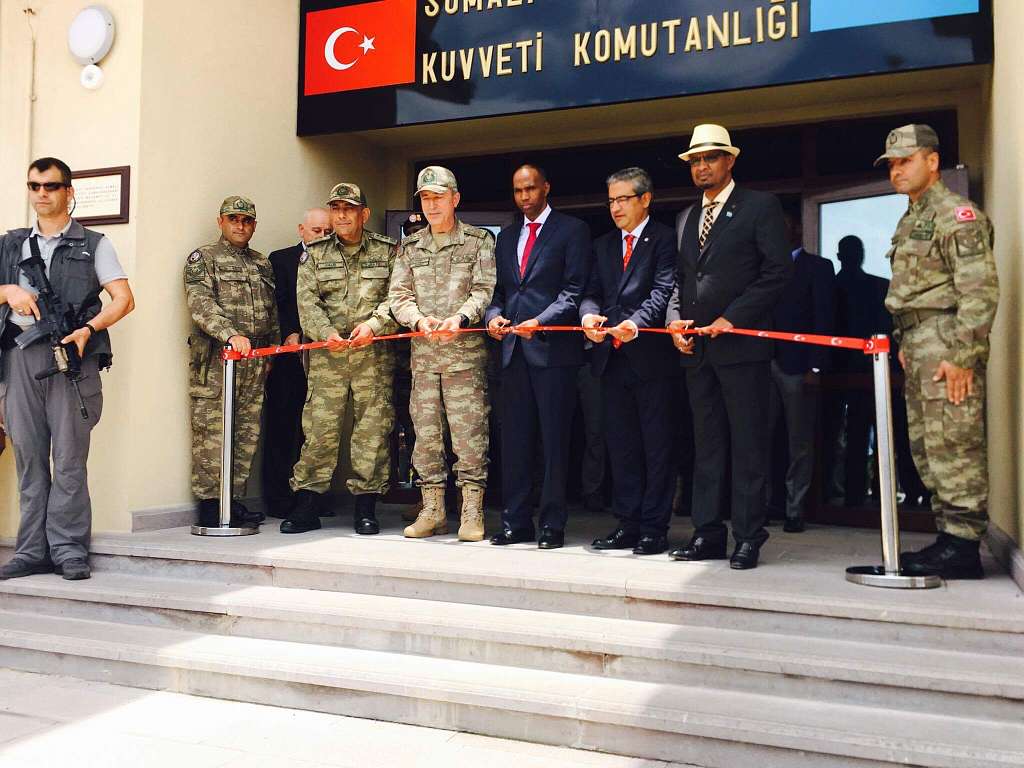
The Horn of Africa has become another arena in which Egypt manages competition through selective engagement. Cooperation with Türkiye on Somali sovereignty has enabled Cairo to strengthen its regional presence and increase diplomatic pressure on Ethiopia without requiring broader political alignment.
This limited convergence has not removed Egyptian concerns over Türkiye’s expanding presence in ports, infrastructure, and the Red Sea. Egypt considers protecting the Suez Canal, preserving Sudan’s stability, and preventing new military footholds overriding priorities. This makes dialogue with Ankara both a channel for cooperation and a mechanism for increasing strategic transparency.
Sudan offers similarly limited opportunities for convergence. Although Egypt and Türkiye broadly support Sudan’s territorial integrity, Cairo’s backing of the Sudanese Armed Forces contrasts with Ankara’s more flexible diplomacy. Informal coordination with Saudi Arabia and Qatar reflects pragmatic crisis management rather than durable alignment.
Taken together, developments in the Horn of Africa confirm that regional competition increasingly rests on selective coordination instead of mutually exclusive spheres of influence. For Egypt, engagement with Türkiye remains a means of managing Turkish influence, thereby preserving freedom of action.
Gaza crisis as a catalyst for Egypt-Türkiye coordination
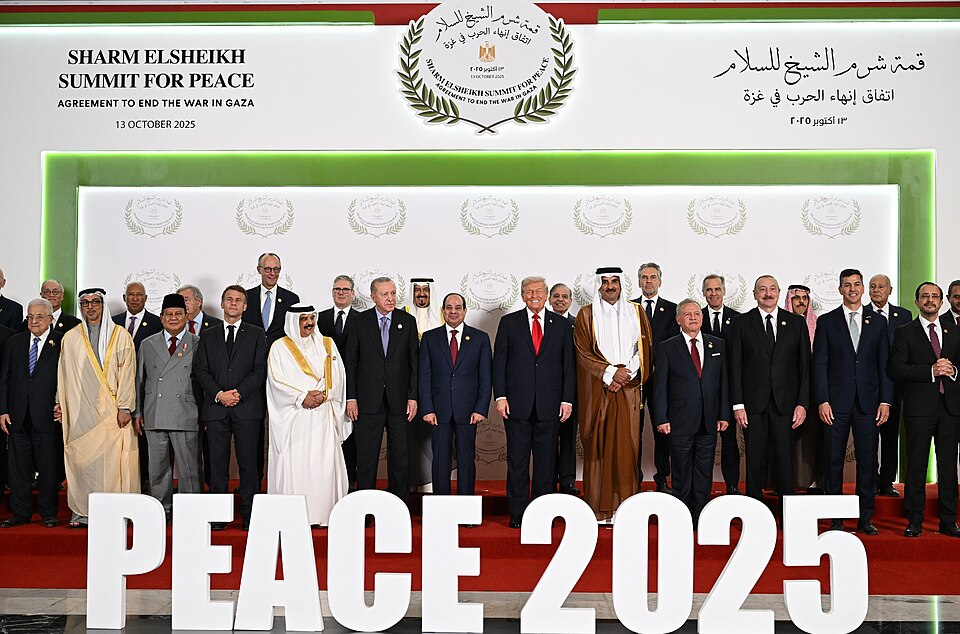
The preceding sections have highlighted the limits of normalisation. Instead, the war in Gaza has increased the strategic value of dialogue with Türkiye for Egypt. Rising tensions with Israel have encouraged closer diplomatic coordination between Cairo and Ankara without fundamentally altering the nature of their relationship. The conflict has not inaugurated a new regional alignment. Instead, it has accelerated a rapprochement that was already under way.
From Egypt’s perspective, tensions with Israel stem primarily from the war in Gaza, Israel’s control of the Rafah crossing, its military presence along the border, and the prospect of the forced displacement of Palestinians into the Sinai Peninsula – a scenario Egypt considers a direct threat to its national security. Such an outcome would undermine the viability of a future Palestinian state, destabilise Egypt’s eastern frontier, and shift part of the conflict’s burden onto Egyptian territory. These concerns, however, have not altered Egypt’s strategic orientation. The 1979 Peace Treaty remains a cornerstone of its security architecture and its partnership with the United States. As a result, Cairo seeks to constrain Israeli actions, thereby preserving the post-Camp David regional framework. In this context, engagement with Türkiye reinforces Egypt’s broader strategy of tactical cooperation without requiring any revision of its existing alliances.
Türkiye’s increasingly confrontational stance towards Israel has nevertheless expanded Egypt’s diplomatic options. Ankara’s suspension of bilateral trade, support for international legal initiatives, and criticism of Israeli operations in Gaza, Lebanon, and Syria have made it a useful diplomatic partner despite continuing strategic differences. For Cairo, the value of this alignment lies less in shared objectives than in Ankara’s capacity to increase diplomatic pressure on Israel at the same time allowing Egypt to maintain its more cautious posture. Even in Syria, where Türkiye and Israel have become direct competitors, continued technical deconfliction demonstrates that both sides remain interested in avoiding open military confrontation.
The broader confrontation between Israel and Iran has further strengthened Cairo’s interest in maintaining dialogue with Ankara. Both governments share an interest in preventing a wider regional escalation that could threaten stability in the Eastern Mediterranean and the Red Sea. This convergence, however, reflects pragmatic crisis management rather than a common strategic vision or coordinated policy towards Iran.
The Gaza crisis ultimately proves how Egypt uses engagement with Türkiye as an instrument of regional crisis management rather than strategic realignment. Selective coordination with Ankara supports Egypt’s diplomatic and humanitarian initiatives, reinforces its role in the Palestinian dossier, and strengthens its position as a central regional mediator. Cairo increasingly seeks to shape regional outcomes through flexible cooperation with other middle powers while preserving its established partnerships with both Washington and Israel. Türkiye has thus become a valuable diplomatic interlocutor in Egypt’s broader effort to contain regional escalation without compromising its strategic autonomy.

Selective partnership, not a strategic axis
The evolution of Egypt-Türkiye relations reflects a broader transformation in Mediterranean geopolitics. The evolution of Egypt-Türkiye relations does not mark the end of strategic rivalry. Instead, it has created a framework through which Cairo can manage competition while safeguarding its core security, political, and economic interests. Engagement with Ankara is thus best understood not as an end in itself, but as one component of Egypt’s broader strategy to navigate an increasingly fluid regional environment.
Across Libya, the Eastern Mediterranean, the Horn of Africa, and Gaza, Egypt has pursued selective cooperation without abandoning long-standing partnerships or revising its strategic priorities. This pragmatic approach explains how regional powers increasingly favour issue-based coordination over fixed alignments, seeking to reduce the costs of confrontation while preserving freedom of action. The Egyptian case also highlights a wider shift in the behaviour of Middle Eastern middle powers. As the regional order becomes more fragmented and external guarantees less reliable, states are replacing binary alliance structures with flexible and overlapping partnerships. Managed competition has consequently emerged not as a temporary response to specific crises, but as a durable feature of regional politics.
Recent developments, including the 2026 NATO Summit in Ankara, further reinforce this wider trend. These developments do not alter Egypt’s strategic orientation. Instead, they highlight the growing importance of engaging partners capable of simultaneously shaping regional dynamics and influencing wider security architectures. In this respect, Türkiye’s expanding regional and transatlantic profile reinforces the logic of Egypt’s managed competition strategy. Egypt’s engagement with Ankara therefore demonstrates how strategic competitors can institutionalise dialogue without resolving their underlying differences, combining selective cooperation with enduring rivalry in ways that are likely to characterise the emerging Middle Eastern order.
Giuseppe Dentice