
The Fragmentation of the Middle East and the Emergence of a Multidimensional Security Landscape
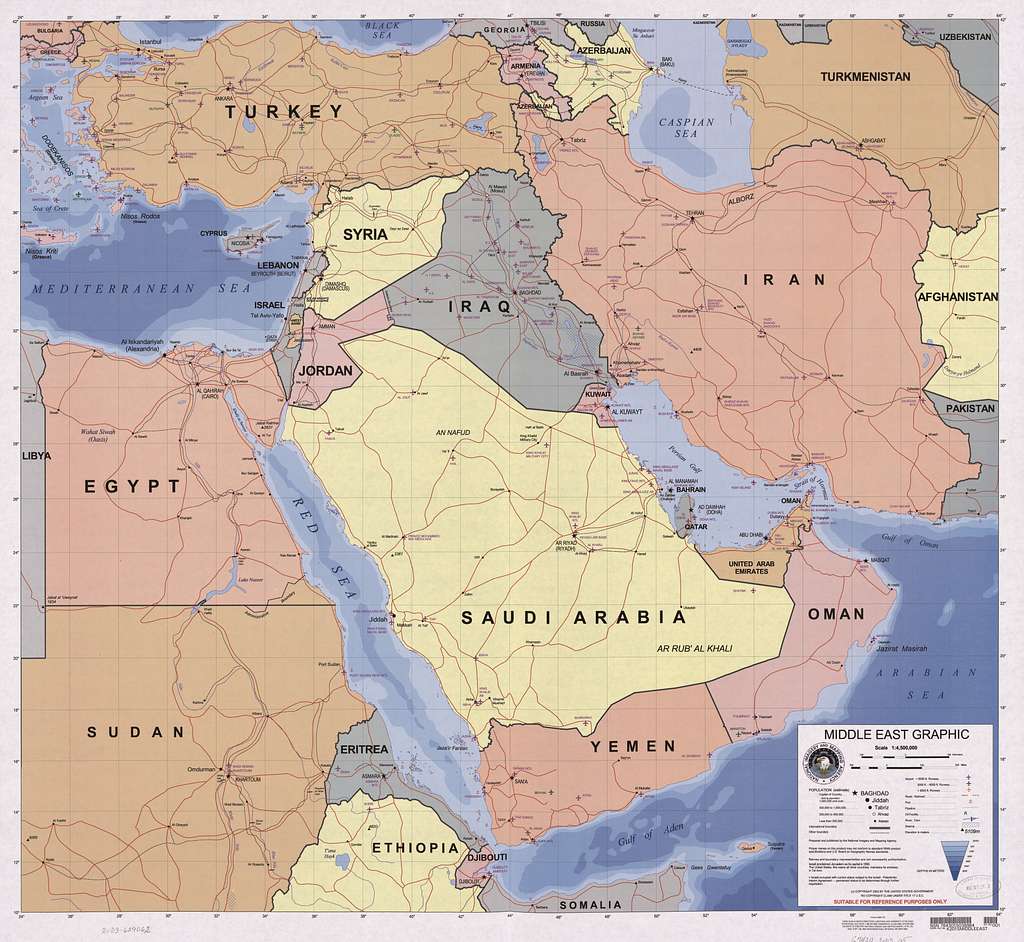
The broader regional landscape surrounding Israel has become increasingly volatile and fragmented over the past two decades, reflecting the profound transformation of the Middle East’s geopolitical order. The progressive fracturing of several Arab state systems, the rise of hybrid and non-state actors, the growing centrality of Iran’s regional network strategy, and the gradual erosion of traditional deterrence frameworks have collectively reshaped the nature of conflict across the region. At the same time, Israel has become an increasingly consequential actor in shaping these regional dynamics, particularly in the aftermath of October 7, 2023. The war that began in Gaza gradually expanded into a wider regional confrontation involving Lebanon, Syria, Iraq, Yemen, and the broader Iranian sphere of influence, accelerating existing fragmentation dynamics and reinforcing the transition toward a more polarised and militarised Middle Eastern order.
Within this evolving context, Israeli strategy increasingly appears oriented not only toward addressing immediate security threats, but also toward influencing the region’s geopolitical architecture in ways perceived as more compatible with its long-term security requirements and strategic interests. As a result, Israel now operates within a multidimensional security environment shaped simultaneously by conventional military threats, asymmetric warfare, proxy networks, ideological mobilisation, missile saturation, cyber confrontation, and prolonged political instability extending from Gaza and southern Lebanon to Syria, Iraq, Yemen, and the broader Iranian regional network.
The emergence of this fragmented and multidimensional security environment carries profound implications for Israel’s strategic doctrine. Many of the assumptions that historically underpinned Israeli security thinking were developed in a regional context dominated by conventional interstate threats and relatively identifiable adversaries. Today, however, Israel confronts a far more complex reality characterised by persistent instability, decentralised actors, overlapping theatres of confrontation, and the blurring of the boundaries between military, political, and societal dimensions of conflict.
The Crisis of Israel’s Traditional Security Doctrine
What is increasingly being challenged is not simply Israel’s operational capacity, but the strategic logic upon which its traditional security doctrine has historically rested. A doctrine designed to deter, contain, and rapidly defeat identifiable state adversaries now faces a security environment shaped by persistent, decentralised, and politically regenerative forms of conflict.
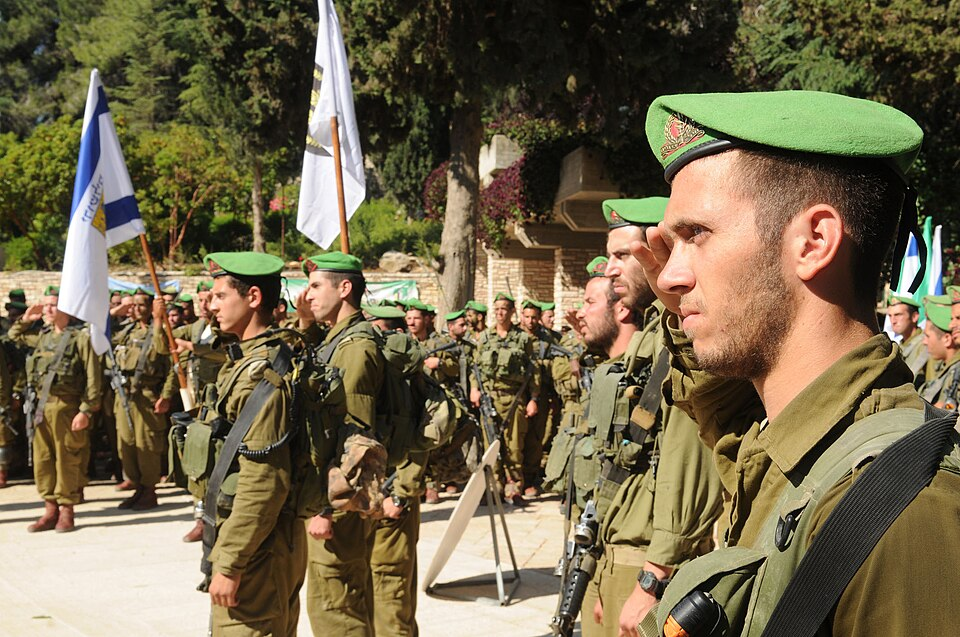
The growing mismatch between Israel’s traditional security doctrine and the evolving nature of regional conflict lies at the heart of one of the country’s most significant strategic dilemmas. At its core, the concept of “permanent security” reflected Israel’s attempt to compensate for structural vulnerabilities through a combination of deterrence, military superiority, intelligence dominance, and the capacity to neutralise emerging threats before they could evolve into existential challenges. This strategic approach emerged from enduring realities that have shaped Israeli security thinking since 1948: limited strategic depth, demographic inferiority relative to the wider regional environment, and the persistent perception of existential vulnerability.
To compensate for these structural constraints, Israeli security doctrine historically relied on technological superiority, intelligence dominance, deterrence, rapid mobilisation, and short, decisive military campaigns capable of transferring conflict rapidly onto enemy territory while avoiding prolonged wars of attrition. Yet the contemporary regional environment increasingly undermines the assumptions upon which this doctrine was originally built. The conflicts Israel faces today are no longer centred primarily on conventional interstate warfare, but on persistent and decentralised confrontation involving actors whose strategic logic differs fundamentally from that of traditional state militaries.

Asymmetric Warfare and the Challenge of Protracted Conflict
Organisations such as Hezbollah, Hamas, and the Yemeni Houthis do not necessarily seek decisive battlefield victories. Their operational model is instead based on endurance, fragmentation, ideological mobilisation, and the gradual erosion of the opponent’s political and psychological resilience. Within this framework, time itself becomes a strategic instrument, while the ability to survive sustained military pressure acquires political meaning and can ultimately be transformed into symbolic legitimacy.
Israel continues to enjoy a significant advantage in conventional military capabilities. Its intelligence infrastructure, air power, missile defense systems, technological sophistication, and operational flexibility remain unmatched regionally. Yet prolonged wars affect Israel differently because of the structural characteristics of Israeli society itself. The country’s limited territorial depth leaves civilian centres, critical infrastructure, and economic hubs permanently exposed to missile attacks and mobilisation pressures. At the same time, the reserve system constitutes a central pillar not only of national defense, but also of the civilian economy. Reservists are simultaneously soldiers, entrepreneurs, engineers, academics, and skilled workers whose prolonged mobilisation inevitably generates cumulative economic and social consequences.
As a result, prolonged warfare increasingly evolves into a comprehensive stress test for the entire Israeli state-society system rather than remaining a purely military challenge. Continuous mobilisation affects productivity, investment, education, business continuity, technological sectors, family life, and long-term economic planning. The central issue is therefore less Israel’s immediate military capacity to sustain confrontation than the long-term sustainability of a model increasingly shaped by permanent emergency conditions.
The Societal Costs of Permanent Emergency
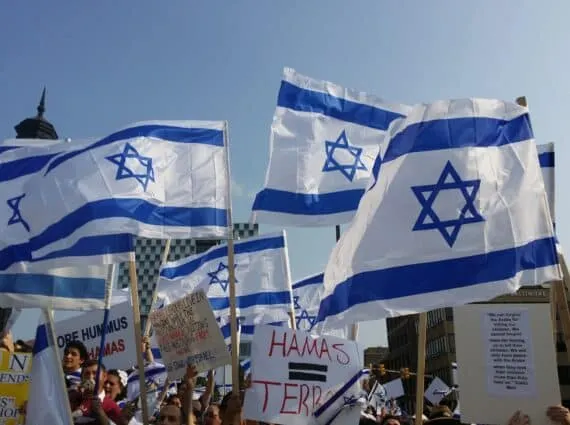
Israeli society has historically demonstrated extraordinary resilience under conditions of insecurity. Collective memory, national identity, mandatory military service, and the deeply rooted perception of existential threat have contributed to the formation of a strong security culture capable of absorbing repeated cycles of violence and instability. However, resilience cannot be interpreted as an unlimited strategic resource. Long-duration conflict inevitably generates psychological fatigue, demographic pressures, economic strain, and growing political polarisation. The normalisation of permanent insecurity gradually transforms emergency from an exceptional condition into a structural feature of political and social life.
This dynamic increasingly affects Israel’s internal cohesion and political legitimacy. Short wars have traditionally reinforced national unity by generating a clear sense of collective purpose and temporary mobilisation. Endless conflicts produce a profoundly different political effect. As military operations continue without a clearly defined political end-state, debates intensify regarding strategic objectives, proportionality, and even the meaning of victory itself. Internal divisions concerning burden-sharing, reserve mobilisation, governance, and the direction of national security policy become more visible within an already polarised society marked by tensions between secular and religious sectors, liberals and nationalists, and competing visions of the Israeli state itself.
The current regional environment therefore exposes a fundamental contradiction at the centre of Israeli strategic thinking. Israel increasingly recognises that the Middle East has entered an era of fragmented and prolonged confrontation, yet its security system remains structurally rooted in assumptions associated with rapid and decisive warfare and temporary emergency mobilisation. A doctrine historically designed to prevent prolonged wars of attrition now confronts a regional environment in which enduring and multidimensional conflict appears increasingly difficult to avoid.
The Strategic Paradox of Regional Reconfiguration and Adversarial Adaptation
At the same time, Israel is not merely adapting to a changing regional environment; it is actively participating in its transformation. Through military operations, deterrence campaigns, targeted strikes, and efforts to degrade hostile networks across multiple theatres, Israel increasingly seeks to shape the strategic environment itself rather than simply respond to it. In many respects, this reflects an effort to transform the strategic environment into a source of security rather than relying exclusively on deterrence and military superiority. More broadly, it reflects an attempt to influence the regional balance of power and shape a geopolitical environment perceived as more compatible with Israel’s long-term security requirements. Yet this approach also contributes to the very process of regional reconfiguration that has made the strategic environment more fluid, fragmented, and unpredictable.
This contradiction is not exclusively military in nature. It also concerns the relationship between security, democracy, economic sustainability, and social cohesion. Continuous mobilisation risks normalising militarisation within political life, placing growing pressure on democratic institutions and gradually transforming the balance between civilian society and permanent security imperatives. The more conflict becomes indefinite, the more difficult it becomes to preserve the distinction between temporary emergency measures and structural political realities.
At the same time, the limits of military force as a mechanism for producing long-term security become increasingly visible. Israel has repeatedly demonstrated its ability to destroy infrastructure, eliminate leadership networks, penetrate hostile organisations, and impose severe military costs on adversaries. However, military superiority alone has rarely proven sufficient to resolve conflicts rooted in competing national identities, ideological mobilisation, territorial disputes, and broader regional rivalries. In asymmetric conflicts, overwhelming force can degrade operational capabilities while simultaneously contributing to radicalisation, fragmentation, and the regeneration of new resistance narratives.
This dynamic produces a recurring strategic paradox. Tactical military success may coexist with long-term political stagnation. Immediate deterrence can be temporarily restored while the structural drivers of instability remain unresolved. Large-scale destruction and prolonged civilian suffering may weaken adversaries militarily while simultaneously reinforcing the ideological legitimacy of resistance movements socially and politically. In this context, military victories unaccompanied by parallel political frameworks risk reproducing the very cycles of confrontation they seek to eliminate.
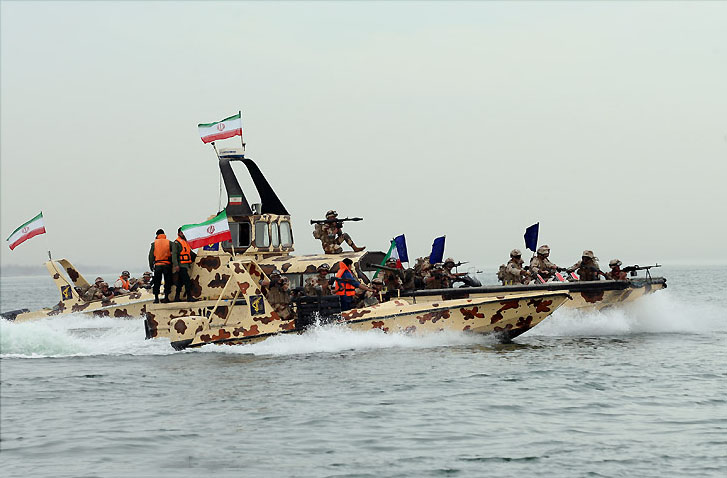
The persistence of this paradox is closely linked to the adaptive capacity of Israel’s adversaries. Actors such as Hezbollah, Hamas, Iran, and the Yemeni Houthis appear to have adapted more effectively to the logic of prolonged asymmetric confrontation precisely because their organisational structures are built around endurance rather than decisive battlefield victory. Their relative effectiveness should not be understood in terms of conventional military superiority, but rather in their ability to sustain prolonged confrontation under conditions that would impose far greater costs on traditional state actors. Iran, in particular, has developed a regional strategy designed to impose continuous strategic pressure on stronger conventional powers through interconnected networks of allied non-state actors operating across multiple theatres simultaneously.
This does not imply military parity with Israel. Israel remains overwhelmingly superior in technological, economic, and conventional military terms. However, wars of attrition are often determined less by absolute military superiority than by the ability to preserve internal cohesion, absorb long-term costs, maintain political legitimacy, and sustain confrontation without strategic exhaustion. In this regard, non-state actors may possess structural advantages because they are less constrained by the societal, economic, and institutional pressures that advanced democratic states must continuously manage.

Israel’s Strategic Dilemma in the Age of Permanent Conflict
The principal challenge confronting Israel lies not in the prospect of conventional military defeat, but in the gradual erosion of the political cohesion, economic resilience, and societal legitimacy that have historically underpinned its strategic advantage. The central dilemma therefore concerns whether a doctrine conceived to guarantee permanent security can remain effective in a regional environment increasingly defined by permanent conflict. The challenge is no longer simply how to defeat adversaries, but how to ensure that the pursuit of security does not ultimately undermine the very foundations upon which that security depends.
In an era characterised by protracted confrontation, decentralised threats, and continuous strategic competition, the sustainability of security may ultimately depend less on the capacity to win battles than on the ability to preserve the political, economic, and social foundations of national resilience itself.
Giuseppe Dentice